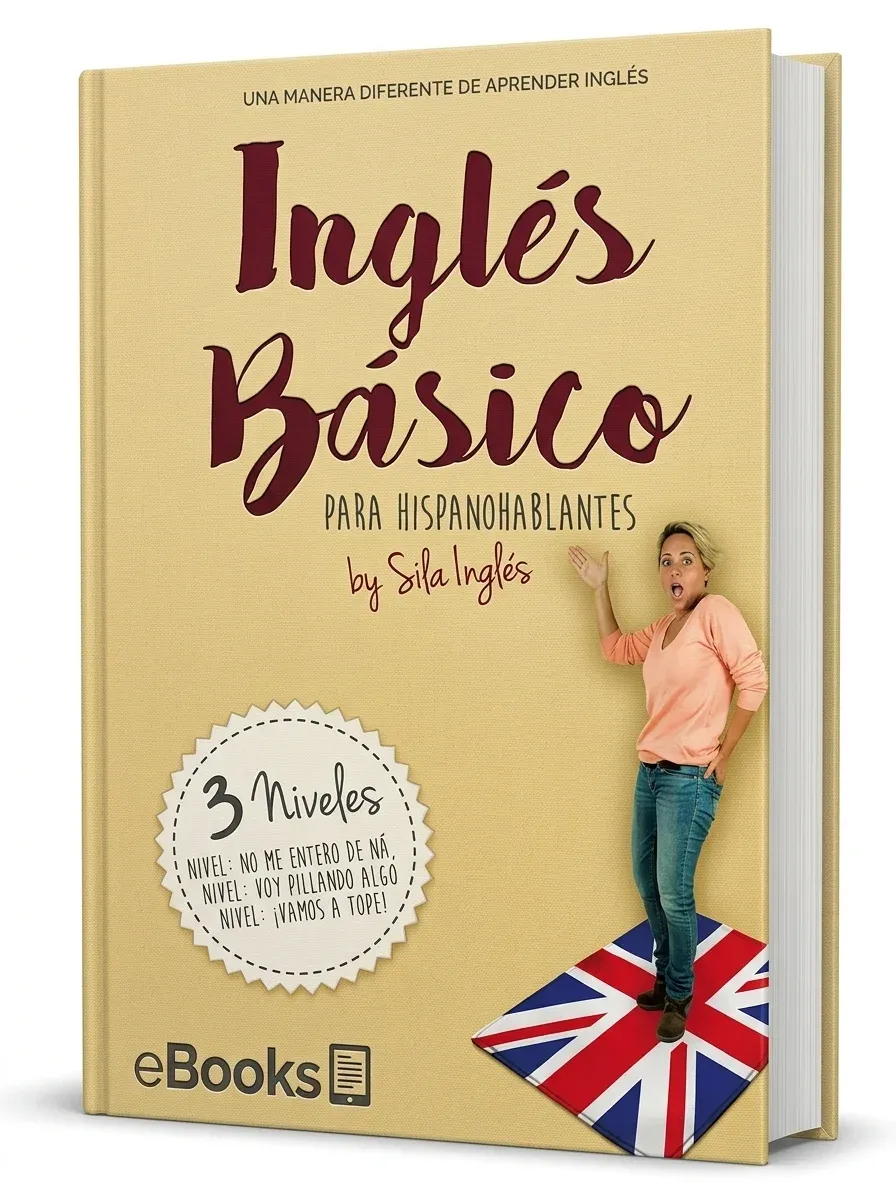
Los Verbos En Ingles is an essential reference for Spanish speakers who want to master English verb usage. By focusing on conjugation patterns, tense formation, irregular verbs, and common errors, this guide transforms confusion into clarity. Below are five core lessons from Los Verbos En Ingles.
Understanding Regular Verb Conjugation
Los Verbos En Ingles begins with regular verbs, which follow predictable patterns. In present tense, add *-s* or *-es* for third person singular: I work, he works. Past tense simply adds *-ed*: work becomes worked. Spanish speakers often mistakenly drop the *-ed* ending or pronounce it incorrectly. The book provides pronunciation rules: *-ed* sounds like /t/ after voiceless sounds (worked), /d/ after voiced sounds (lived), and /ɪd/ after *t* or *d* (wanted). Future tense uses will before the base verb: I will work. Unlike Spanish, English has no single future conjugation. By mastering these regular patterns first, you build a foundation for all verb usage. Practice drills with high-frequency verbs like walk, talk, play, clean, study make conjugation automatic before moving to irregular forms.
Mastering the Most Common Irregular Verbs
Irregular verbs cause the most difficulty in Los Verbos En Ingles because they break expected patterns. The book groups irregulars into families for easier memorization. Group one keeps the same form: cut-cut-cut, put-put-put. Group two changes vowels: sing-sang-sung, drink-drank-drunk. Group three changes completely: go-went-gone, buy-bought-bought. Spanish speakers often confuse see-saw-seen with watch-watched-watched, using irregular patterns for regular verbs. The book provides a top fifty list covering 80% of daily irregular verb use. Daily repetition of three verbs in all forms—present, past, past participle—builds memory. Unlike Spanish, English irregulars must be memorized individually. However, recognizing family patterns reduces the load significantly. Flashcards, audio drills, and sentence creation accelerate mastery of these essential forms.
Differentiating Present Perfect and Simple Past
One of the most confusing contrasts in Los Verbos En Ingles is between present perfect (I have eaten) and simple past (I ate). Spanish speakers often overuse simple past because their language uses one past tense where English needs two. The book provides clear rules: use simple past for finished actions at a specific time (“I ate at 8 AM”). Use present perfect for life experiences (“I have eaten sushi”) or actions continuing to the present (“I have lived here for five years”). Time markers help: yesterday, last week, in 1990 signal simple past. Ever, never, already, yet, for, since signal present perfect. The book includes contrast exercises showing the same verb in both tenses side by side. Mastering this distinction instantly raises your English accuracy from intermediate to advanced.
Using Modal Verbs Correctly
Modal verbs—can, could, will, would, shall, should, may, might, must—follow special rules in Los Verbos En Ingles. Unlike Spanish modals, English modals never change form for third person (he can, not he cans). They are always followed by the base verb without to (she must go, not she must to go). Each modal expresses a specific meaning: can for ability, may for permission, must for obligation, should for advice. The book provides contrast pairs: “You must go” (strong obligation) versus “You should go” (mild recommendation). Negation adds not directly (cannot, should not, must not). Spanish speakers often add unnecessary to or conjugate modals incorrectly. Repeated fill-in exercises train automatic correct usage. Mastering modals allows you to express necessity, possibility, permission, and advice with precision and natural fluency.
Avoiding Common Spanish-Speaker Errors
Los Verbos En Ingles concludes with a dedicated error-correction section for Spanish speakers. Common mistakes include: using make instead of do (“make homework” instead of “do homework”), confusing say and tell (“say me” instead of “tell me”), omitting it as a subject (“Is raining” instead of “It is raining”), and using present continuous for habitual actions (“I am going to the gym every day” instead of “I go”). The book provides side-by-side error and correction examples with memory tricks. For say/tell: tell someone (person), say something (information). For make/do: make creates something new; do performs an action. A final checklist of twenty frequent errors helps you proofread your own writing. By eliminating these specifically Spanish-influenced mistakes, your English becomes cleaner, more natural, and more confident in any setting.