Grammar Worksheets for Kids
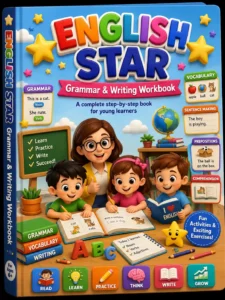
Grammar worksheets for kids are a simple yet powerful tool to help young learners master the building blocks of language. From capitalizing the first letter of a sentence to knowing where a period belongs, grammar skills start small — but they grow into confident writing and speaking abilities. Using well-designed grammar worksheets for kids at home or in the classroom turns abstract rules into hands-on practice.
Why Grammar Matters for Early Learners
Children learn to talk by listening, but writing correctly takes explicit practice. Grammar worksheets for kids break down concepts like nouns, verbs, adjectives, punctuation, and sentence order into bite-sized exercises. For example, a worksheet might ask a child to circle the noun in “The cat sleeps.” Another might show a sentence missing a period and ask the child to add it. These small daily drills build automaticity — so proper grammar becomes a habit, not a struggle.
When you use grammar worksheets for kids regularly, you also reduce common errors like run-on sentences, missing capitals, and wrong verb tenses. Over time, children internalize patterns like “I go” (not “I goes”) and “two dogs” (not “two dog”). This foundation supports better reading comprehension, too, because grammar knowledge helps readers predict what comes next in a sentence.
Fun and Effective Types of Grammar Worksheets
Not all worksheets are equal. The best grammar worksheets for kids are colorful, short, and interactive. Here are three types that work well:
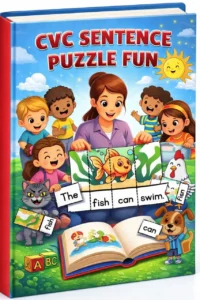
- Fix the sentence – Show a sentence like “the boy run fast.” The child corrects it to “The boy runs fast.” This teaches subject-verb agreement and capitalization simultaneously.
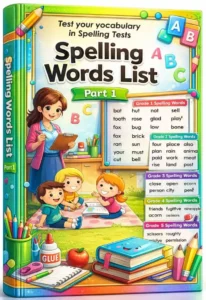
- Sort the words – Give a list of words (dog, run, happy). Ask the child to sort them into noun, verb, or adjective columns. This builds understanding of word classes.
- Punctuation detectives – Present a paragraph without periods or question marks. The child reads aloud and adds the correct punctuation marks. This improves fluency and attention to detail.
How to Use Grammar Worksheets for Kids Effectively
Keep practice sessions short — 10 to 15 minutes works best for young children. Always go over the answers together. When a child makes a mistake, don’t just mark it wrong. Say, “Let’s read this sentence aloud. Does it sound right?” This gentle correction builds a growth mindset.
You can find free grammar worksheets for kids online from education websites, teacher blogs, and printable resource libraries. Many offer grade‑specific options: kindergarten focuses on capitalization and periods, first grade adds common nouns and verbs, second grade introduces adjectives and contractions.
Make Grammar Part of Daily Life
Worksheets are wonderful, but real learning sticks when you connect grammar to everyday life. While driving, ask, “Is that a noun or a verb?” During dinner, play “fix my sentence” — say “Me want milk” and have your child correct it to “I want milk.” Pairing grammar worksheets for kids with these real‑world games makes learning faster and more joyful.
Final Thoughts
Every child can learn grammar without tears. Start with one concept at a time — today, only capital letters. Tomorrow, periods. Next week, nouns. With consistent, gentle practice using grammar worksheets for kids, your child will write clearer sentences, speak more accurately, and feel proud of their language skills. Download a few free printables today and watch the magic happen.